What’s the Difference Between Bourbon and Whiskey – Clone
Aug 4, 2026
Key Takeaways
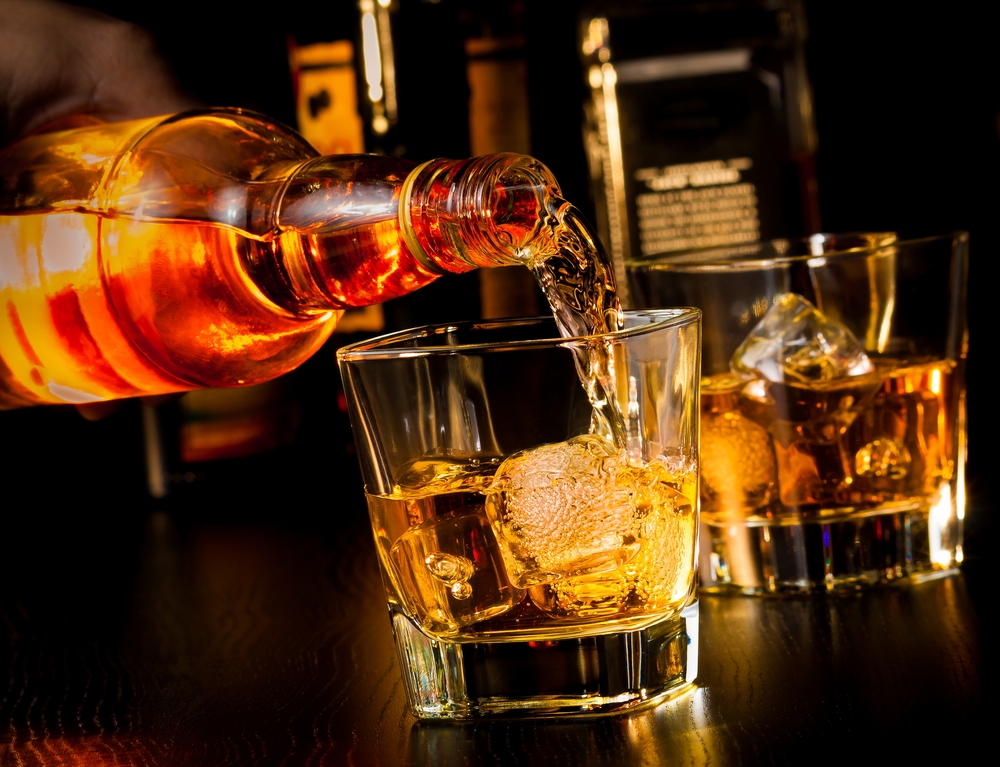
- Whiskey is a broad category of grain-based spirits, while bourbon is one specific type of American whiskey.
- Bourbon must meet federal standards governing where it is produced, its grain recipe, distillation proof, entry proof, oak containers and bottling proof.
- Bourbon doesn’t have a minimum aging period, but whiskey labeled straight bourbon must mature for at least two years.
If you’ve ever scanned a spirits menu and wondered whether bourbon and whiskey are actually different, you’re far from alone. The two terms are often used interchangeably in casual conversation, but they don’t mean the same thing.
Knowing the distinction can help you compare labels, anticipate broad differences between styles and identify the aromas and flavors you prefer. Whether you’re ordering your first Old Fashioned or considering a premium pour, a little background can make the menu easier to navigate.
Federal standards allow bourbon to be produced anywhere in the United States. Kentucky is closely associated with the spirit because of its long distilling history, established bourbon industry and generations of experience aging whiskey in the state’s changing climate.
The Whiskey Family Tree
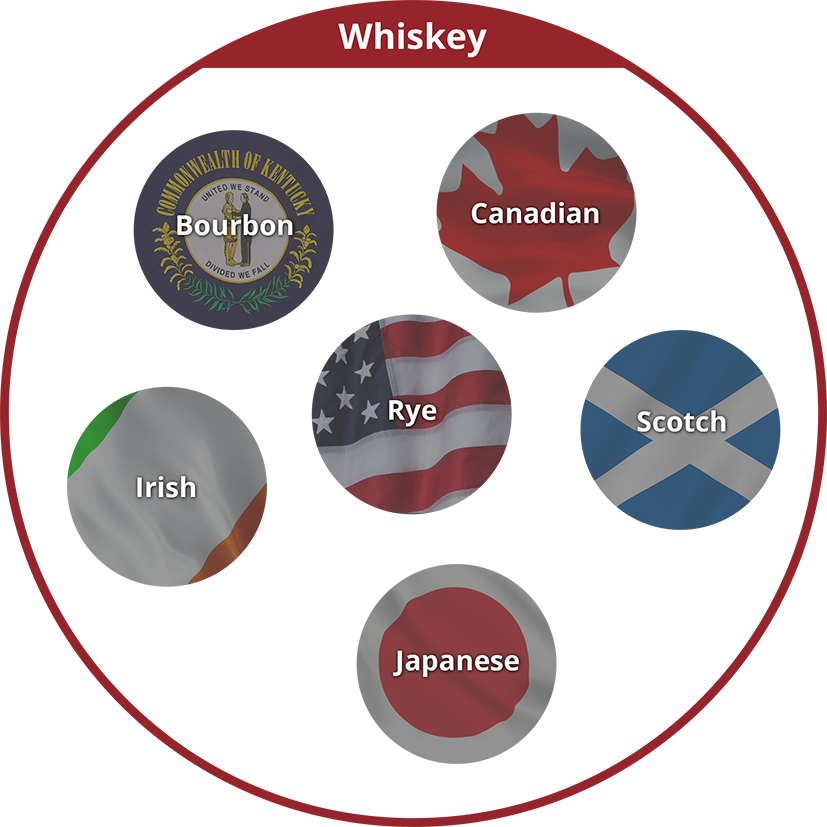
Think of whiskey as the family name. Distillers around the world produce many styles, each shaped by its own ingredients, traditions and production standards. Bourbon is one member of that family, alongside Scotch, Irish whiskey, rye whiskey, Canadian whisky, Japanese whisky and other American whiskeys.
Although these spirits share a grain-based foundation, geography, grain recipes, distillation choices and maturation practices can produce very different results. Comparing those details helps explain why two whiskeys may look similar in the glass yet taste nothing alike.
Whiskey vs. Whisky
The difference between whiskey and whisky is primarily a matter of regional spelling. Producers in Ireland and the United States generally use the spelling with an “e,” while producers in Scotland, Canada and Japan usually leave it out.
The spelling doesn’t determine the spirit’s quality or flavor. It generally reflects conventions in the country where the whiskey or whisky is produced, although individual brands may make their own stylistic choice.
Bourbon vs. Whiskey: What Sets Them Apart?
When comparing bourbon with other types of whiskey, the most meaningful differences come from their production standards. Whiskey is a broad category that includes varied grains, distillation methods and maturation practices. Bourbon must satisfy a specific set of federal requirements before the name can appear on its label.
Whiskey is a spirit distilled from fermented grain and stored in oak, with more specific definitions varying by country and style. Its grain recipe may include corn, rye, wheat, barley or other grains.
Bourbon is an American whiskey made from a mash containing at least 51% corn and produced within federal limits for distillation, maturation and bottling. New charred oak commonly contributes vanilla, caramel and toasted notes, but individual bourbons can range from soft and sweet to spicy, oaky or robust.
Those production choices help shape what reaches the glass. Corn can contribute sweetness, rye may bring spice and malted barley can introduce cereal or toasted notes. Oak adds color and can contribute flavors such as vanilla, caramel, fruit and baking spice as the whiskey matures.
Bourbon vs. World Whiskeys
Bourbon follows one defined set of American standards, while the larger whiskey category includes many regional styles. This comparison shows common distinctions without suggesting that every bottle within either group will taste the same.
Bourbon Whiskey
- Origin: Produced in the United States
- Grain Recipe: At least 51% corn
- Oak Standard: New charred oak containers
- Additives: No coloring, flavoring or blending materials
- Common Notes: Vanilla, caramel, oak and baking spice
Other Whiskeys
- Origin: Produced in the United States and countries around the world
- Grain Recipe: Varies by style and may include corn, rye, wheat or barley
- Oak Standard: May require new oak, permit used casks or follow other rules
- Additives: Requirements vary by whiskey category and country
- Common Notes: May be fruity, floral, spicy, smoky, sweet or dry
When Whiskey Becomes Bourbon
To carry the name bourbon on its label, a whiskey must satisfy federal standards covering its origin, mash bill, distillation proof, entry proof, oak containers, additives and bottling proof. A whiskey that doesn’t meet those requirements may qualify for another category depending on how it was produced.
These standards protect bourbon as a distinctive product of the United States while still giving distillers considerable room to create different flavor profiles. Grain proportions, yeast, fermentation, distillation and time in oak can all distinguish one bourbon from another.
The Legal Standards That Define Bourbon
Time in new charred oak has a major influence on bourbon’s color, aroma and flavor. As the spirit interacts with the wood, it extracts compounds that can contribute notes of vanilla, caramel, toasted oak, spice and fruit. The final result also depends on the new make spirit, the barrel’s construction, maturation conditions and the amount of time spent in oak.
Under Tennessee law, whiskey bearing the state’s name generally follows bourbon-style requirements and must be manufactured and aged in Tennessee. It is also typically filtered through maple charcoal before aging in a step known as the Lincoln County Process, although state law includes a limited exception to that requirement.
Why New Charred Oak Matters
Charring the inside of a new oak container changes the wood’s structure and creates compounds the whiskey can extract during maturation. As temperatures fluctuate, the liquid moves into and out of the wood, developing color and drawing out components that can contribute vanilla, caramel, spice and toasted flavors.
This requirement distinguishes bourbon from whiskey styles that permit previously used casks, although some other American whiskey categories also require new charred oak. A used cask generally offers a less intense fresh-oak influence and may contribute flavors from whatever it previously held, such as bourbon, sherry or port.

Comparing Styles in the Glass
Production details provide useful context, but tasting reveals how those choices come together. Sampling different styles side by side allows you to compare their aromas, body and finish while determining which characteristics appeal to you.
A bourbon may offer caramel, vanilla and toasted oak, while a rye whiskey may lean toward peppery or herbal notes. A single malt Scotch could reveal orchard fruit, heather, malt or peat smoke depending on how and where it was produced. These are common possibilities rather than guarantees, which is part of what makes comparison worthwhile.
Discover Premium Whiskeys at Christner’s
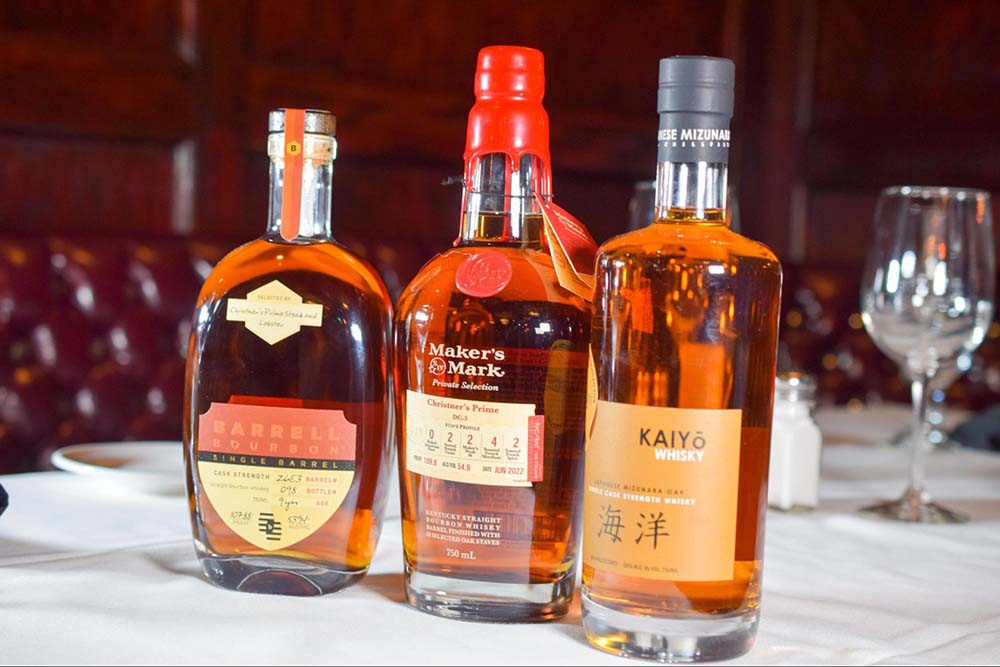
Christner’s curated spirits collection makes it possible to compare bourbon with whiskeys from other regions and traditions. Explore rare international selections, exclusive private barrel pours and tasting flights chosen to highlight meaningful contrasts.
Ask your server for recommendations based on the flavors you enjoy or for help pairing a whiskey with our Prime steaks and signature entrées.
Continue Exploring the World of Whiskey
Continue building your whiskey knowledge with guides to tasting techniques, essential terminology, glassware and barrel construction.
Experience Exceptional Spirits at Christner’s
Whether you’re comparing a flight of world whiskeys, enjoying a private barrel pour or ordering a favorite cocktail, Christner’s offers a distinctive selection to accompany your evening.
For informational purposes only.