Whiskey: A Beginner’s Guide to Glasses – Clone
Aug 4, 2026
Key Takeaways
- A glass’s shape affects how whiskey aromas reach your nose, which can influence the flavors you perceive.
- Narrow tasting glasses concentrate aromas, while wider tumblers leave room for ice and cocktail ingredients.
- The rim, bowl and stem or base help determine how a glass handles and presents whiskey.
- One tapered tasting glass and one sturdy tumbler will cover most whiskey-serving occasions.
Whether you enjoy bourbon, rye, Scotch, Irish whiskey or another style, your choice of glass can affect what you notice as you drink. Its shape influences how aromas reach your nose, how comfortably you can swirl the spirit and whether there is room for ice or other ingredients.
The glass doesn’t change the whiskey itself, but it can change the way its aromas are presented and therefore influence flavor perception. Understanding common glass styles can help you select a practical option for a comparative tasting, a classic cocktail or a relaxed pour after dinner.
Anatomy of a Whiskey Glass
The diameter of the rim, shape of the bowl and presence or absence of a stem all affect how a whiskey glass handles and presents aromas.
The Rim
The rim helps determine how aromas reach your nose. A narrow opening concentrates them, which can make subtle characteristics easier to identify but may also intensify alcohol in a high-proof pour. A wider rim allows aromas to disperse more freely.
The Body
The body of the glass works with the rim to collect and direct aromas. Many tasting glasses have a rounded bowl that gives the whiskey room to breathe while guiding its aromas toward a narrower opening.
A rounded body also makes it easier to swirl the whiskey gently. This increases evaporation and may make more aromas noticeable, although vigorous swirling can emphasize alcohol in a higher-proof spirit.
The Stem
A stem gives you a place to hold the glass without warming the bowl directly with your hand. This can be helpful during a longer tasting when you want the whiskey’s temperature to change more gradually.
Stemmed glasses are particularly useful during comparative tastings, although many popular whiskey glasses use sturdy stemless bases for easier handling.
What Is Nosing?
Nosing means evaluating a whiskey’s aromas before taking a sip. The shape of the glass can concentrate or disperse aromatic compounds as they evaporate from the spirit, changing what reaches your nose most prominently.
Types of Whiskey Glasses
The best whiskey glass depends on how you plan to enjoy the spirit. Some glasses concentrate aromas for closer evaluation, while others provide room for ice, mixers or cocktail ingredients.
Although dedicated whiskey glasses are generally preferred, some enthusiasts use small wine glasses or other tapered glasses during comparative tastings. The most important feature is a shape that supports the way the whiskey will be served.
Glencairn Glass
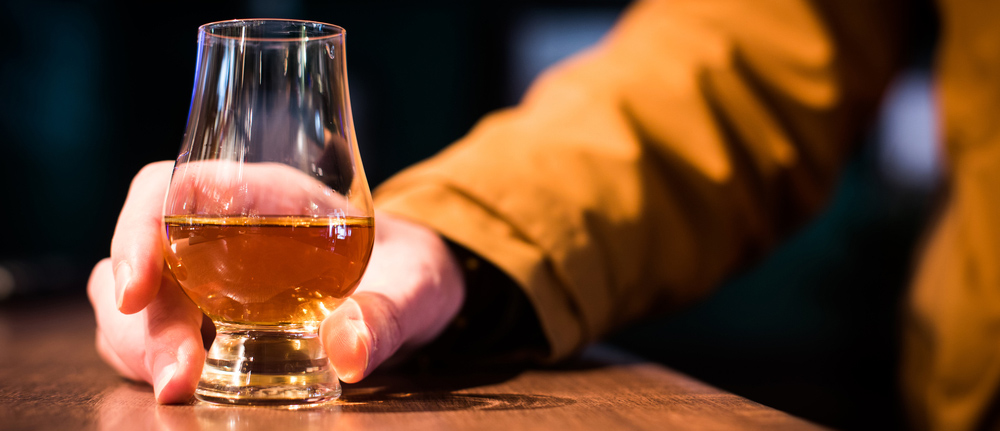
The Glencairn is one of the most recognizable whiskey glasses in the world. Designed specifically for whiskey, it features a rounded bowl, a short sturdy base and a gently tapered opening that makes it comfortable to hold and easy to swirl.
Used by many distilleries and whiskey bars, the Glencairn is a versatile choice for enjoying spirits neat. If you’re adding one dedicated tasting glass to your collection, this is a practical place to start.
Best for: Neat pours, whiskey tastings and comparing different styles of whiskey.
Try it with: A neat bourbon, rye, single malt Scotch or Irish whiskey.
NEAT Glass
The NEAT glass, short for Naturally Engineered Aroma Technology, uses a wide bowl and flared rim intended to reduce the amount of concentrated ethanol reaching the center of the nose. Its distinctive shape offers an alternative to the traditional tapered tasting glass.
According to its maker, the curved bowl and flared opening encourage ethanol to dissipate toward the sides of the rim while other aromas remain easier to detect near the center. Some drinkers find this helpful when nosing higher-proof spirits.
The design may appeal to drinkers who find that alcohol dominates the aroma in a conventional tapered glass. As with any glass style, personal preference matters.
Best for: Higher-proof whiskeys, focused nosing and drinkers who prefer a flared rim.
Try it with: A cask-strength or barrel-proof whiskey whose alcohol is prominent on the nose.
Snifter
The snifter is easy to recognize by its large rounded bowl and short stem. Originally associated with brandy and cognac, it has become a popular choice for sipping premium whiskeys at a relaxed pace.
The bowl offers room to swirl, while the narrower opening concentrates aromas. That shape can suit an unhurried after-dinner pour, although it may also emphasize alcohol in a higher-proof whiskey.
Best for: Aromatic aged whiskeys and slow sipping.
Try it with: An aged whiskey enjoyed slowly after dinner.

Tulip Glass
Tulip-shaped glasses include styles such as the copita, a traditional spirits-nosing glass with a rounded bowl, narrow opening and stem. Related designs have long been used by distillers and spirits professionals to evaluate aroma.
Its refined design makes it a favorite for comparative tastings, where several whiskeys are sampled side by side to evaluate their unique characteristics.
Best for: Distillery tastings, whiskey flights and comparing multiple pours.
Try it with: Several contrasting whiskeys served in matching glasses.
Tumbler
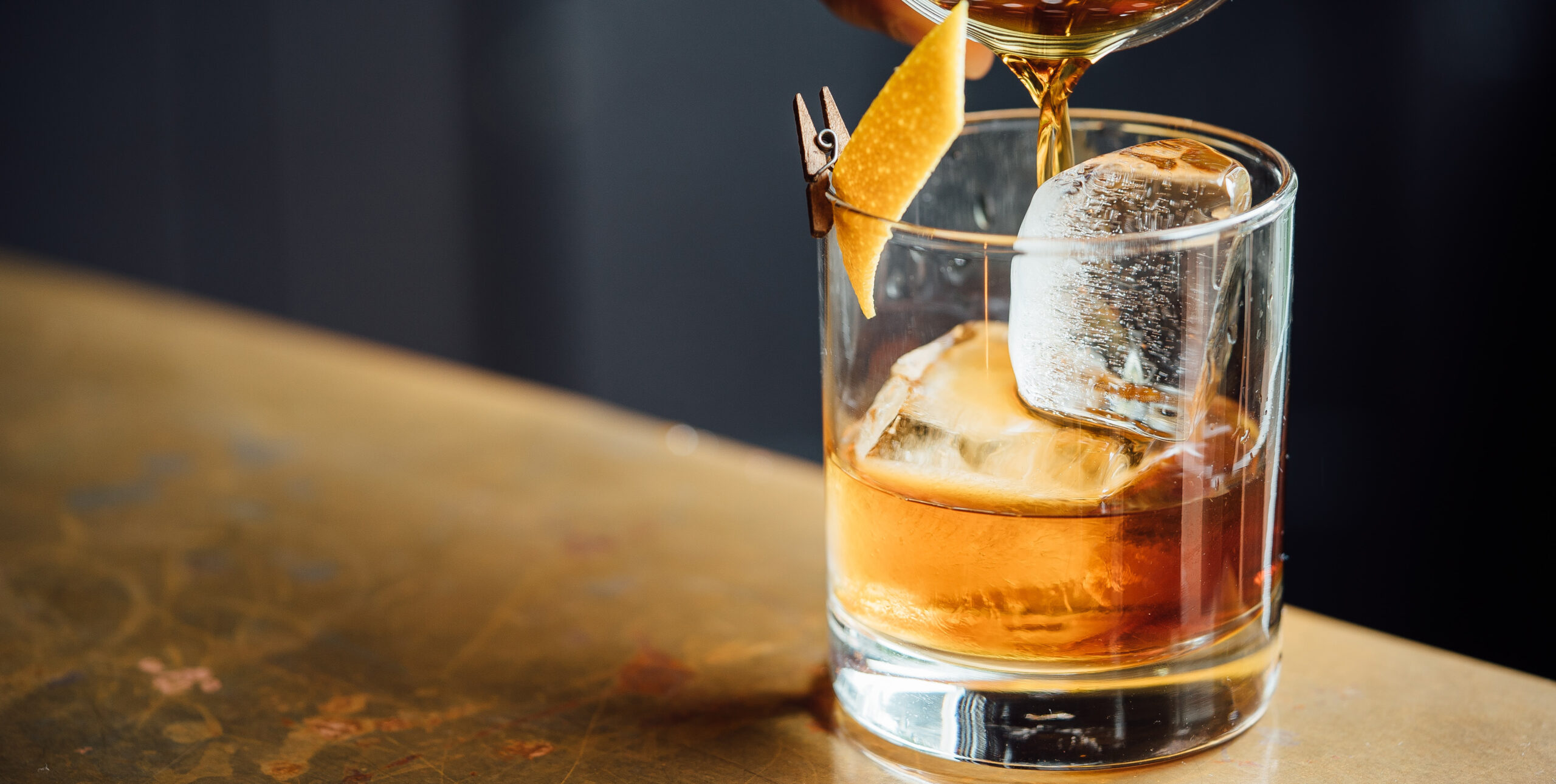
The tumbler, also called a rocks glass, old-fashioned glass or lowball glass, is recognized by its straight sides, wide opening and heavy base. Its durable design leaves plenty of room for a large ice cube or cocktail ingredients.
While it isn’t ideal for detailed nosing, the tumbler is the everyday workhorse of whiskey glasses. It suits a casual neat pour, whiskey over ice or a cocktail built and served in the glass.
Best for: Whiskey on the rocks, Old Fashioneds and casual sipping.
Try it with: A favorite whiskey over one large cube or in an Old Fashioned.
How to Choose the Best Whiskey Glass
Consider how you most often enjoy whiskey before selecting a glass. A Glencairn, tulip-shaped glass or NEAT glass can support focused nosing and neat pours. A tumbler provides more room for ice and cocktail ingredients, while a snifter may suit slowly sipping an aromatic aged spirit.
You don’t need a different glass for every bottle in your collection. A well-made tasting glass and a sturdy tumbler will cover most serving occasions. From there, you can add specialized styles based on your preferences.
Looking for a Great Whiskey Flight?
A flight provides a practical way to see how glassware and production choices affect what you perceive. Comparing pours in matching glasses makes it easier to notice differences in aroma, sweetness, spice, oak, proof and finish without introducing another variable.
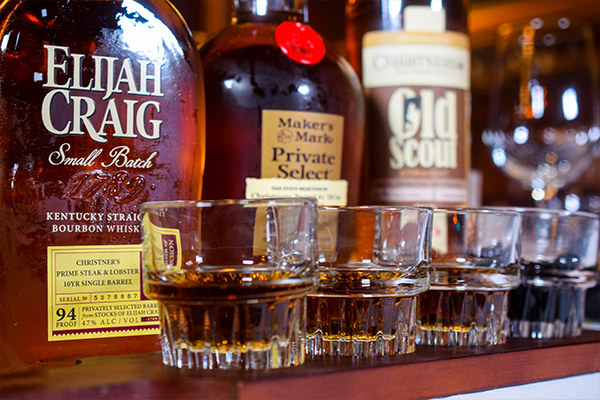
Build a Comparison Flight at Christner’s
Because Christner’s private selections are limited and availability may vary, ask your server which pours are currently offered. Choosing whiskeys with different grain recipes, proofs or maturation styles can create a more revealing comparison.
Compare Different Grain Recipes
Start by comparing whiskeys made with different dominant grains or mash bills. A wheated bourbon may present differently from a high-rye bourbon, while a rye whiskey or malt whiskey can broaden the contrast.
Serve each selection in the same style of glass and use similar pour sizes. This makes it easier to focus on the whiskey rather than differences in presentation.
Compare Barrel Influence
Private barrels, finished whiskeys and spirits matured in different types of casks can demonstrate how wood influences aroma and flavor. Look for differences in oak, vanilla, fruit, spice and toasted notes.
Christner’s custom collection includes limited selections chosen to complement the menu. Ask which current private barrel or specially finished pour would add the clearest contrast to your flight.
Compare Proof
Comparing whiskeys bottled at different proofs can show how alcohol concentration affects aroma, body and intensity. Nose higher-proof whiskey gently and give it time to rest before tasting.
You can also revisit a higher-proof pour after adding a few drops of water. Notice whether different aromas become easier to identify and how the texture changes on the palate.
Continue Exploring the World of Whiskey
Continue with guides explaining how bourbon differs from other whiskeys, how to approach a tasting and which terms describe whiskey production and serving.
Explore Premium Whiskey at Christner’s
Explore carefully selected bourbons, limited private barrel pours and available tasting flights alongside a Prime steak or seafood dinner at Christner’s Prime Steak & Lobster.
Our team can help you select a whiskey and recommend a food pairing that complements its flavors.
For informational purposes only.